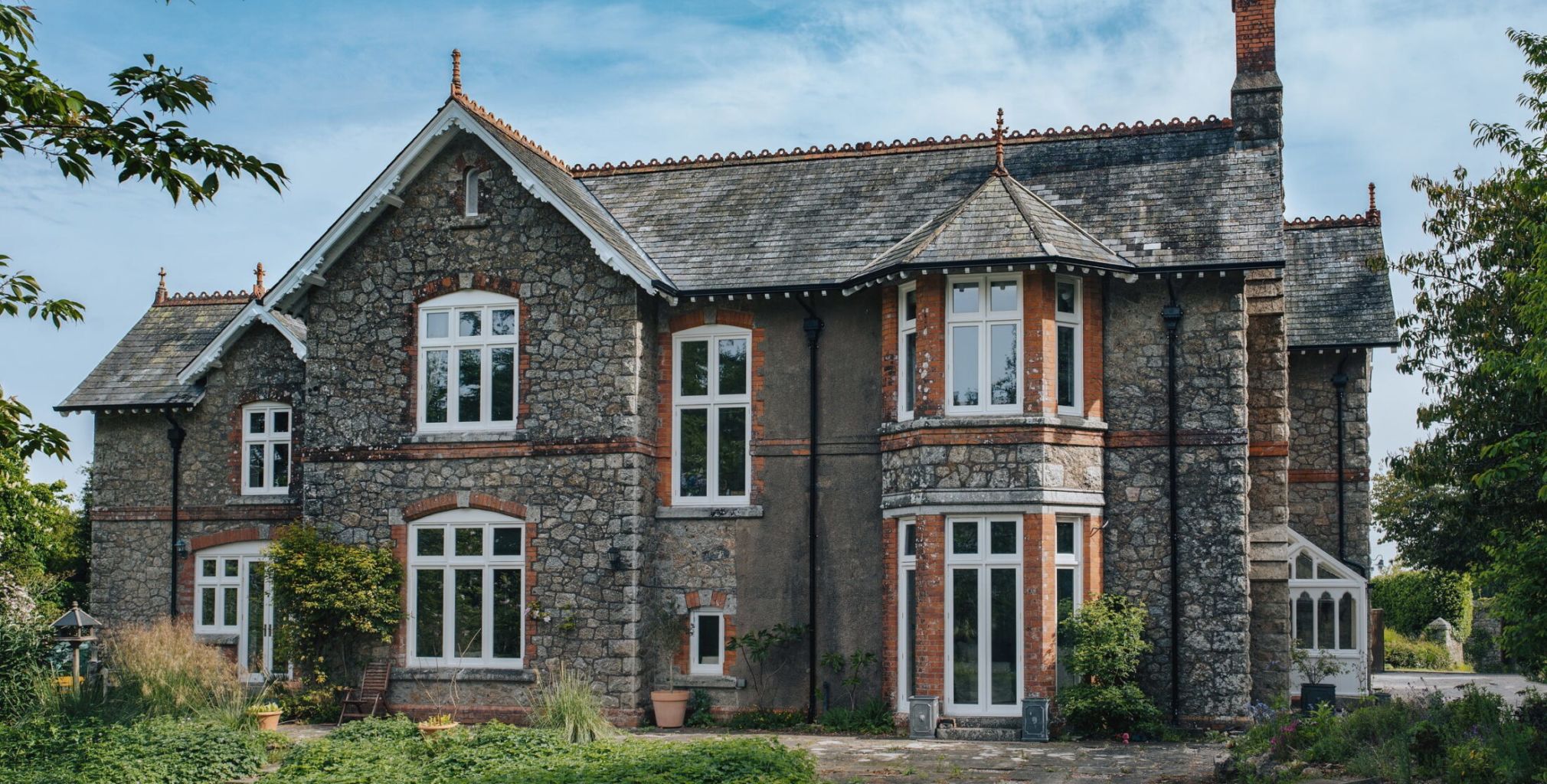
Whole-House Energy Efficiency and Energy-Efficient Windows for Historic and Listed Buildings
Understanding energy efficiency in historic homes
Improving the energy performance of your home can be hard work at the best of times, but attempting it in a historic property brings a whole new set of challenges. Historic homes aren’t sealed like modern ones. They were built to breathe, so moisture and heat could move naturally through the walls and building materials. But as more historic homeowners look to reduce carbon emissions and lower their energy bills, new guidance is available to help them retrofit their properties with energy-efficient windows and other improvements without compromising their heritage value.
In July 2024, Historic England published Advice Note 18: ‘Adapting Historic Buildings for Energy and Carbon Efficiency’ (HEAN 18), which gives the latest advice on upgrading historic properties. We look at what ‘whole-house energy efficiency’ really means, how you can get upgraded energy-efficient windows, and how you can improve energy performance without losing your property’s historic character.
Why a whole-house approach to energy efficiency matters
One of the core principles of the Historic England Advice Note 18 is that energy efficiency in historic homes can’t always be tackled bit by bit, unless it’s essential. Improvements in one part of the building can often have a knock-on effect somewhere else, especially in traditional construction, where everything in the building, from moisture and heat to air movement, is linked, such as:
- Adding too much insulation or using non-breathable materials can trap moisture inside old walls, causing damp and potential long-term damage to the building.
- Upgrading window frames or glazing options without tackling draughts or cold spots can just move the problem, rather than improving comfort or efficiency.
- Modern heating or ventilation systems can change how moisture and heat move through a historic building, which can put strain on original materials.
Historic England’s energy efficiency guidance highlights the importance of an organised, whole-house approach: first reduce heat loss with any necessary maintenance and repairs, then improve insulation and glazing, before considering larger, low-carbon systems like heat pumps.

What HEAN 18 Changes (and allows you to do)
HEAN 18 is a bit of a breakthrough for historic property and listed building owners, making it easier than ever to adapt your home or property for energy efficiency. What was once a time-consuming and challenging process now has more flexibility to make any upgrades you might need while still complying with strict conservation rules and regs.
Local planning authorities (LPAs) and conservation officers can also take a more balanced view of your changes, weighing up their pros and cons rather than saying ‘no’ straight away. That means getting approval on energy efficiency upgrades when the environmental benefits are positive and any impact on your home’s historic character can be monitored.
Here are some of the major points (and big wins) from the Advice Note that can mean better – and easier – whole house energy efficiency in your historic property:
- Low-carbon heating systems, like air-source or ground-source heat pumps, can now be installed in listed buildings with careful siting, design, and screening.
- Effective draughtproofing of doors and windows, and even chimney flue insulation, is now also acceptable as a low-impact option to improve thermal performance.
- Insulation for open lofts and roof spaces will generally be acceptable for most historic properties (although not spray adhesive foam) as long as the loft is kept well ventilated.
- Underfloor insulation and insulation in the floor void will also be acceptable in most cases, although listed building consent might be required depending on the property.
- In some cases, internal wall insulation may also be acceptable if any historic interiors have already been changed or are less sensitive to change.
HEAN 18 doesn’t override the need for historical consideration. But it does give historic homeowners a clearer, more supportive framework for making upgrades possible to listed and heritage properties. And getting local planning authorities and conservation officers involved in your energy efficiency plans sooner is essential to getting quicker approvals and minimising risk.

Timber windows and upgrades
Given that windows can often be the most thermally weak part of any historic building, they always deserve special attention. Many historic or conservation area windows that need replacing or upgrading have been a difficult issue, but thanks to HEAN 18, certain modern refinements are now more acceptable than before. So how can you get more energy-efficient windows?
- Slim-profile double glazing: HEAN18 allows the installation of slim-profile double-glazed units in existing or replacement matching frames, as long as the visual appearance, materials, and profiles are suitable. Find out more about what slim-profile, energy-efficient windows can do for your home.
- Secondary glazing: still considered as a lower-impact, less invasive fix than new double glazing, the benefits of secondary glazing are often acceptable with less risk to the internal structure.
- Draughtproofing and sealing: minor improvements, like draught strips, are generally acceptable and can reduce heat loss without needing any major changes.
In some cases, window mock-ups or trial panels can help LPAs and conservation area officers understand the visual impact of your windows, especially when changes to glazing or frames are significant. While HEAN 18 doesn’t specify that this should happen, you could save time and reduce uncertainty in the long run by working with your timber window manufacturer early on in the process.
How to start a whole-house energy efficiency strategy
To successfully deliver a whole-house energy efficiency retrofit for your historic home, you’ll need expert advice and some special skills. It’s unlikely that small adjustments you make on your own will make a lot of difference, so enlisting the services of a renewable energy and retrofit specialist in your area is an excellent starting point.
They’ll deliver an in-depth analysis of your property so you have all the right information at your fingertips to make the best decisions about making your home more comfortable and energy-efficient. Here’s what that analysis will typically cover:
- Heat loss calculation: working out whole-house and individual room heat demand
- Insulation and window advice: so heat loss reductions and money savings can be made
- Ventilation and heat recovery: to determine your needs and suitable suggestions
- Heat pump information: to specify the relevant model, size, and configuration for your needs
- Radiators and underfloor heating: to maximise comfort and efficiency
- Solar PV: Array options and advice on cost and savings
- Damp and structural assessment: to identify causes, types, and extent
- A retrofit strategy: to show recommendations and where to start
- Funding advice: information on any available grants or funding to start your work
If you need more advice on a whole-house energy efficiency report, we can cover your needs by working with one of our trusted partners or refer you to them directly, so please let us know.
Of course, you might not want to explore everything in the report. Still, once it’s finalised, you can work with a specialist, full-service property design, planning, and project management company to carry out any recommended works you want to pursue.

Get expert help with whole-house energy efficiency with NMJ
Whole-house energy efficiency in historic properties takes expertise, patience, and respect for the building’s original materials. With guidance from Historic England Advice Note 18, historic homeowners now have clearer ways to improve efficiency and conserve heritage without compromising character. That means lowering energy bills and carbon emissions, improving comfort and indoor air quality, and extending the lifespan of any historic building for generations to come.
For many buildings, handcrafted timber joinery, especially heritage and conservation area windows, plays a crucial role in reaching whole-house energy efficiency. Together with proper insulation and breathable materials, these upgrades can transform a historic property into a comfortable home with energy-efficient windows fit for the future.
For more information or advice on timber windows and glazing as part of your whole-house energy efficiency strategy, to get started with a whole-house energy efficiency report from one of our trusted partners, or if you just need advice on any part of the process, call NMJ today at our Tavistock workshop on 01822 615 010, email us at hello@nmjoinery.com, or send us a message to get started.
FAQs about whole-house energy efficiency for historic properties
Whole-house energy efficiency in historic buildings isn’t about modernising for the sake of it – it’s about finding a balance. With the right materials, skilled craftsmanship, and guidance from HEAN 18, your property can be warmer, greener, and more comfortable while protecting its historic character.
Can you install double glazing in a listed building?
Yes. Historic England Advice Note 18 (HEAN 18) confirms that slim-profile double-glazed units are acceptable on casements or frames that need replacing if they match the building’s original design and are installed into existing or new timber frames.
What’s the safest way to insulate a historic property?
Start with low-risk areas first, such as the roof space and loft insulation, which is generally acceptable in historic properties. Always use breathable materials to prevent moisture from being trapped.
How can timber windows improve energy efficiency?
Timber frames with slim-profile glazing, quality seals, and proper maintenance create energy-efficient windows that reduce heat loss while maintaining your building’s historic character.