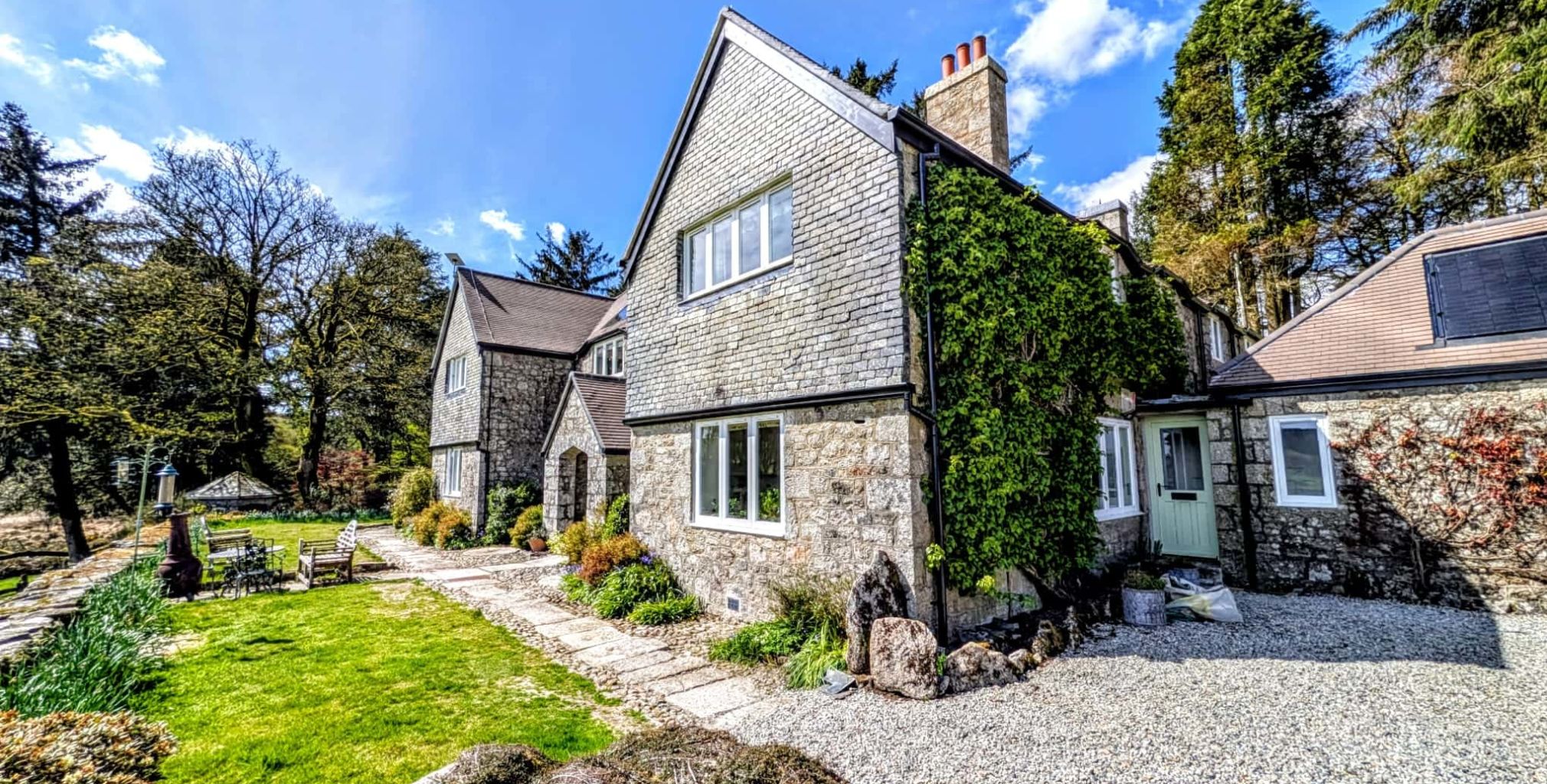
Conservation Area Windows: A Guide To Replacing Windows In A Conservation Area
Without any experience, replacing windows in your conservation area home can feel like an overwhelming project. But it’s possible to do with the right approach and the right team behind you. There are rules in place to protect the character of properties in these areas, but they’re not designed to prevent improvements (though it can sometimes feel like it). They just make sure work is carried out in the best way and in keeping with the building and its surroundings.
This guide explains everything you need to know about changing windows in a conservation area, including when you can replace them, what permissions you might need, and how to choose the right materials and designs for your property.
What is a conservation area?
A conservation area is a place that has special architectural or historic interest. Local planning authorities (LPAs) want to preserve the character of properties in these areas, which often include period homes, traditional streets, and characteristic local materials.
However, homes in conservation areas are not the same as listed buildings. These are individually protected for their specific historic importance (as Grade I, Grade II*, or Grade II). Conservation areas focus on the overall appearance of a town or village, rather than a single property within it.
But though rules and restrictions are usually more relaxed than when you’re working with listed buildings, there are still important things to think about if you want to upgrade conservation area windows.
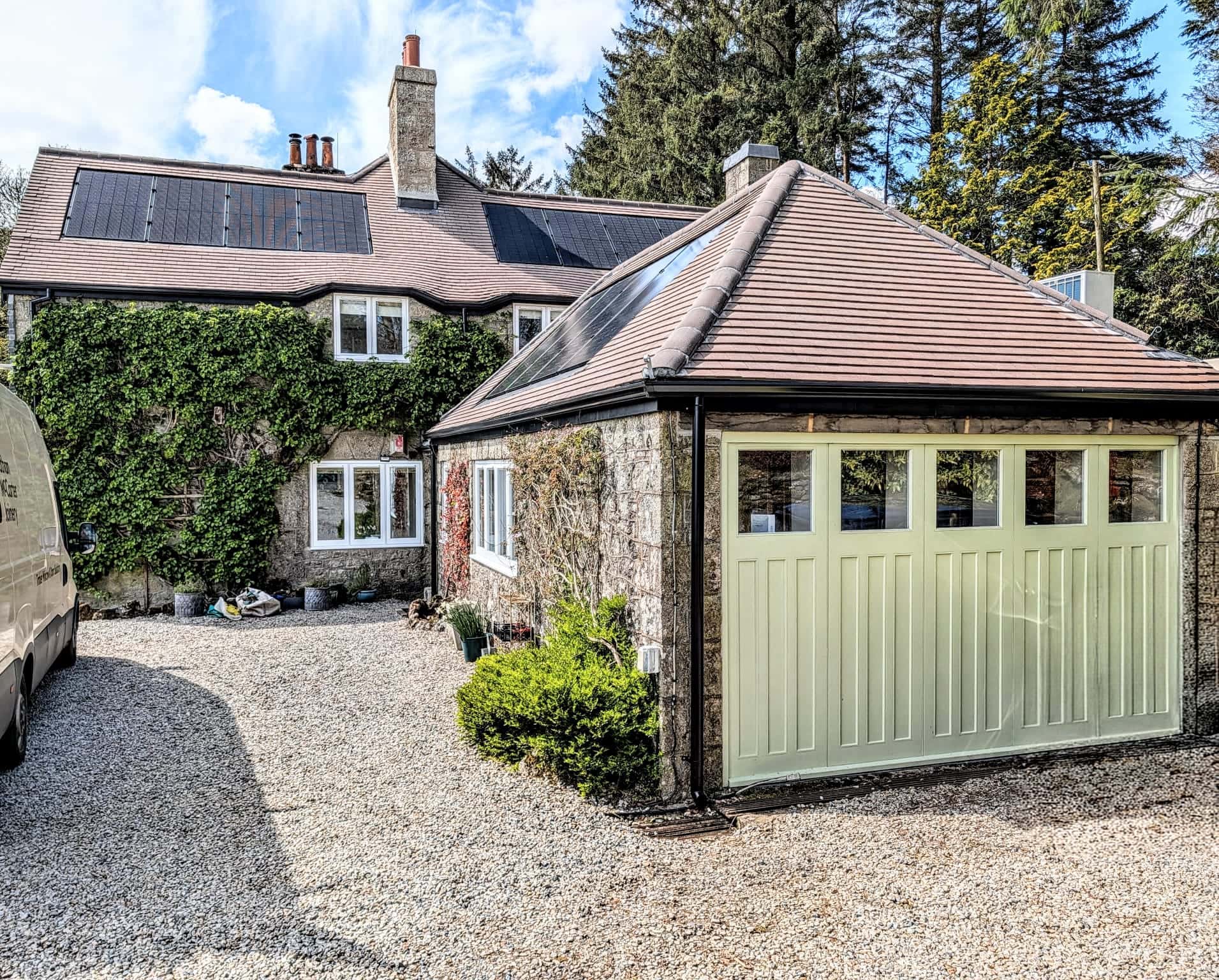
Should you repair or replace windows in a conservation area?
Before you start thinking about any replacements, it’s always worth checking whether your existing windows can be repaired. In some cases, original timber window frames can be returned to their former glory, particularly if damage is limited to areas like sills or surface finishes, and might be preferred by LPAs when:
- The original windows are largely intact
- The frames only show signs of minor deterioration
- Any previous replacements are unsuitable (uPVC)
In other cases, because many properties in conservation areas are older, the window frames and their glass may be beyond repair, so replacement timber windows may be the better option.
Do you need planning permission to replace windows in a conservation area?
If you live in a conservation area, one of the most common questions is whether you need planning permission to make any changes to your windows. The answer is never as simple as a straightforward ‘yes’ or ‘no’ and usually depends on key factors, including:
- Whether your property has permitted development rights that allow for minor changes that typically wouldn’t need planning permission.
- Whether your property has Article 4 Directions in place that effectively remove any permitted development rights to your property.
If your home is in a conservation area, but isn’t a listed property, you shouldn’t need planning permission to replace wooden windows. But you’ll need to choose like-for-like replacements that use the same materials and have the same appearance as the original window designs. Otherwise, you’ll need planning and conservation area consent for replacement windows.
If any work is carried out without planning consent, your LPA can ask you to remove and replace the windows, which can be time-consuming and expensive. For this reason, we always recommend checking with your LPA before you start any work.
What type of windows are allowed in a conservation area?
When assessing conservation area windows, planning and conservation officers will look closely at how ‘like-for-like’ your new windows will be, checking that your proposed designs match the character of the building and the surrounding area. They’ll typically look at:
- Material: Timber windows are almost always preferred. At NMJoinery, we use Accoya® timber for many conservation area projects as it’s engineered for stability, longevity, and resistance to rot, making it well-suited for conservation properties.
- Style: Sash, casement, or other traditional designs appropriate to the property
- Proportions: Accurate glazing bar sizes, sash profiles, and frame dimensions
- Detailing: Ironmongery, paint colour, finish, and overall appearance
Modern materials like uPVC or aluminium aren’t usually accepted in traditional conservation areas because of their visual impact and not being in keeping with other properties in the area. The aim is for any replacement windows to be almost identical, or at least very similar to, the originals.


Can you have double glazing in a conservation area?
While this was once completely unacceptable, the good news is that double glazing is now more widely accepted than ever in conservation and historic or listed properties. Advances in slimline or vacuum glazing, together with new and updated guidance from Historic England on using double glazing in conservation properties (HEAN 18), mean big improvements in thermal performance without drastically changing the appearance of traditional window designs.
The main aim of the HEAN 18 guidance is to ensure that any changes or improvements to windows take into account the property’s historic and architectural significance while helping reduce heat loss. So conservation area homeowners can now consider the environmental impact of any work without fear of non-compliance.
How to check if your property is in a conservation area
Understanding the legal status of your property early can save time and help avoid complications later. Before you bought your home, your solicitor or estate agent would have told you if it was in a conservation area. But, if you’re unsure, there are a few simple ways to check:
- Visit your local council’s website and look for ‘conservation areas’
- Contact the planning department to confirm if you need planning permission
- Check your property documents or title deeds
The planning process can be one of the most daunting parts of any renovation project, but early engagement with your LPA is essential, as they can answer many of your questions. And speaking with them before submitting an application can help clarify what’s needed (and what isn’t) to reduce the risk of delays or refusal. A planning process might include:
- Documenting your existing windows with photographs and measurements
- Preparing detailed drawings of your proposed replacements
- Submitting a planning application (if required)
- Responding to feedback from conservation officers
We get that some homeowners may not have the confidence or time to tackle this process on their own, which is why we offer our own planning service. We have years of experience in planning, building consent, and legal requirements to make the whole process much easier.
We work directly with LPAs and conservation officers on your behalf, so you don’t have to worry, and we help make sure all work fits with current guidance and that applications are clear, accurate, and more likely to be approved first time.

How NMJoinery can help you with your conservation area windows
Replacing windows in a conservation area means more than just manufacturing new frames – it needs an understanding of planning requirements and traditional craftsmanship. At NMJoinery, we specialise in handcrafted timber windows designed specifically for conservation area properties.
From initial advice and site surveys through to design, manufacture, and installation, we offer a complete, end-to-end service. If you’re considering replacement windows in a conservation area home, we can help you through the process.
For more information, help, or advice on bespoke conservation area windows, or to arrange a visit to our workshop in Tavistock, call NMJoinery today on 01822 615 010, email us at hello@nmjoinery.com, or send us a message to get started.
Conservation area windows FAQs
Do I always need permission to replace timber windows in a conservation area?
No. Unless your home is a listed property, you shouldn’t need planning permission to replace wooden windows with like-for-like replacements. But many conservation areas are subject to Article 4 Directions, which remove permitted development rights. Check with your local planning authority before starting work.
Can I install double glazing in conservation area windows?
Yes, in many cases. Slimline double glazing is now widely accepted for use in conservation area properties, as it maintains the appearance of traditional timber windows. Approval will depend on the design and the specific property.
What happens if I replace conservation area windows without permission?
If any work is completed without the correct planning permission, your local planning authority can take action, which may involve you having to remove and replace the windows. This can be expensive, so we always recommend checking with them before you start any work.